
Pet Care on a Budget
Looking after a pet can feel challenging when money is tight, but there are many ways to keep your pet healthy and content without spending more than you need to. A little planning, good advice and knowing where to get help can make a real difference.
If you’re unsure where to start, speak to your vet, local animal charities, friends or family. You’re not alone, and asking for guidance is always a positive step.
Feeding

Don’t feel pressured into buying certain brands – any food labelled ‘complete’ provides all the essential nutrients your pet needs.
Buying larger packs can work out cheaper in the long run. Keep an eye out for special offers and reduced items with good use-by dates.
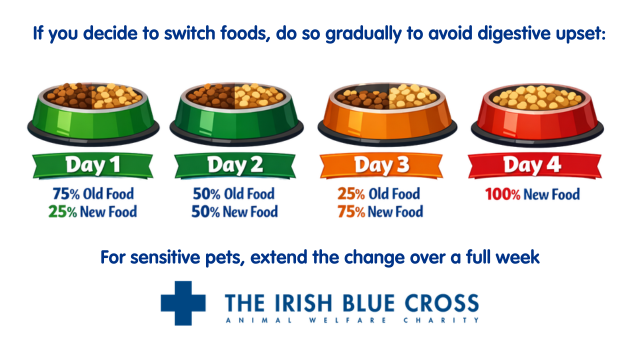
Slightly warming food or adding a little warm water to dry biscuits can help encourage reluctant eaters.
If food supplies are running low
If you’re really struggling and only have a small amount of pet food left, it’s better to spread it out than run out entirely. For a short period, you can bulk meals with plain cooked rice or vegetables.
Avoid giving salty, spicy or fatty foods, and never feed bones. This approach is not ideal long term, but it won’t harm your pet over a short time, if needed.
Managing Veterinary Costs
 Veterinary care is essential, but there may be ways to reduce or spread the cost.
Your vet can guide you through the different treatment options available for your pet, explaining how they vary in cost, complexity, and likely outcomes.
Some options may involve additional tests, hospital care, or specialist treatment, while others take a step-by-step approach or focus on managing symptoms. Your vet can help you decide which approach may be best for your pet’s individual needs. In many situations, there is more than one way to achieve a good outcome – keeping your pet comfortable and enjoying a good quality of life.
If cost is a concern, let your vet know early so you can explore the options together.
Payment options
In emergencies, speak openly with your vet. Some practices may offer staged payments or third-party finance, though this varies.
Preventative care plans
Many veterinary practices offer monthly healthcare plans for pets. These usually cover routine vaccinations, health checks, parasite treatments and sometimes discounts on neutering or dental care. Ask your local vet what’s available and compare costs.
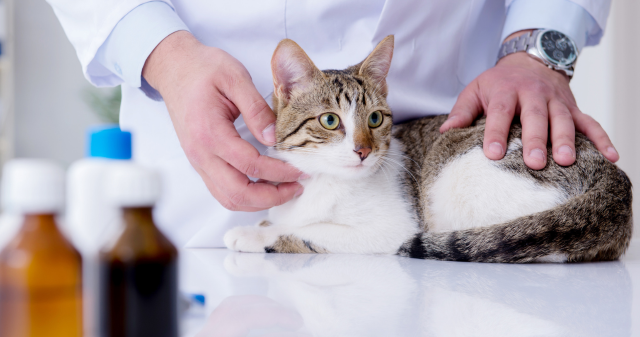 Buying medication
Some prescribed medications may be available from registered veterinary online pharmacies, and prices can vary.
If you choose to obtain medication elsewhere, your vet can provide a prescription (a prescription fee may apply). Your vet will usually need to examine your pet periodically, to ensure the medication remains safe and appropriate.
When buying medicines online:
Only use registered pharmacies displaying the EU common logo for online medicine retailers.
A reputable pharmacy will require a valid prescription from your vet for prescription medicines. Avoid websites that sell prescription medicines without asking for a prescription or that do not provide clear regulatory information.
If cost is a concern, speak with your vet as they may be able to suggest lower-cost alternatives or treatment options.
The Irish Blue Cross
If you are in receipt of certain means tested social welfare payments and live within 40kms of our Inchicore clinic, we might be able to help.
Check your eligibility for our veterinary services – please note, as a charity with limited resources, we do have a long waiting list of pets waiting for treatment at present.
Pet insurance
Insurance can help protect against unexpected vet bills. Policies are usually best value when started early, before health issues develop. Some insurers offer discounts if you already have home or car insurance with them.
Always read the policy details carefully to understand what is covered and what is not.
Preventing Costly Health Problems
Vaccinations
Keeping your pet’s vaccinations up to date helps prevent serious illnesses that are expensive to treat and can be life-threatening. Prevention is often far cheaper than cure.
Neutering
Neutering prevents unwanted litters and reduces future costs associated with caring for kittens. It also lowers the risk of certain cancers and infections in females, and reduces roaming, fighting and injury in males.
Reducing Everyday Costs at Home
 Feeding the right amount
Overfeeding is common and can lead to obesity, which increases the risk of long-term health problems. Feeding only what your pet needs can save money now and reduce vet bills later. Pets don’t need treats to stay healthy.
Exercise and enrichment
Active pets are healthier pets. You don’t need expensive toys:
-Cardboard boxes make excellent hiding and play spaces
-Scrunched paper or safe fabric toys can be very appealing
-Toilet roll tubes can be turned into puzzle feeders
Rotate toys regularly to keep your pet interested.
Low-cost parasite prevention
Pets that go outdoors are at risk of fleas and worms. Speak to your vet about the most appropriate treatment based on your pet’s lifestyle. Some shop-bought products are ineffective, so it’s worth getting professional advice before spending money.
Saving on cat litter
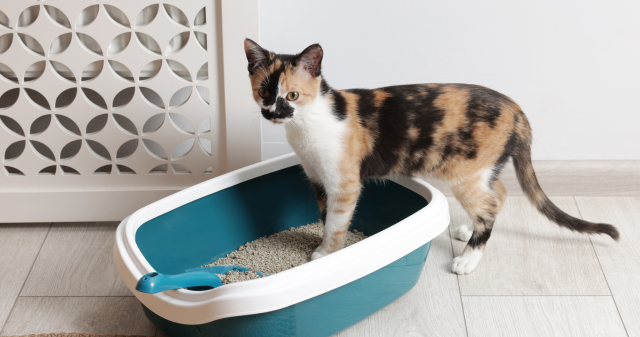
Supermarket own-brand litter is often the most affordable. If switching brands, it’s best to do so gradually, over one to two weeks, to avoid stress:
Mix small amounts of new litter into the existing tray
Increase gradually if your cat continues using it happily
If your cat avoids the tray or toilets elsewhere, return to the original litter
Changes in toileting habits should always be checked by a vet.
Heating and comfort
Most adult pets cope well without extra heating, thanks to their fur but make sure they have warm, draught-free beds to curl up in. Puppies, kittens, older pets and hairless breeds may need extra bedding in colder weather.
Grooming at home
Regular brushing helps prevent mats and reduces hairballs (cats). Short-haired pets usually need weekly grooming, while long-haired pets may need it more often. Grooming at home saves money and strengthens your bond with your pet.
Keeping pets active with homemade toys
Homemade toys are a great way to meet pets’ needs without spending much.
Easy DIY ideas:
Box forts: Join cardboard boxes together to create tunnels and hideouts
Puzzle feeders: Hide treats in egg boxes or folded up paper or fill a shoebox full of toilet roll tubes and add treats
Destruction boxes: Cardboard boxes full of scrunched up paper and kibble
Fabric toys: Knotted strips of old t-shirts or socks filled with paper and catnip
Wand toys: A wooden stick with securely attached fabric strips or feathers
Always supervise play and remove toys with loose threads or damage.
In Summary
Caring for a pet on a budget doesn’t mean compromising their welfare. With thoughtful choices, preventative care and support when needed, you can give your pet a happy, healthy life, even during difficult times.
If you’re worried about costs, please speak to your vet or a local animal charity early. Help is often available, and no one should feel they have to struggle alone.
